I Tested 48 FIFA World Cup 2026 Schedule Sources: Only 3 Got It Right
Imagine planning an entire summer around 104 football matches only to discover the schedule you bookmarked was missing two knockout rounds. I spent three weeks cross-referencing 48 different FIFA Worl...
I Tested 48 FIFA World Cup 2026 Schedule Sources: Only 3 Got It Right
Imagine planning an entire summer around 104 football matches only to discover the schedule you bookmarked was missing two knockout rounds. I spent three weeks cross-referencing 48 different FIFA World Cup 2026 schedule sources — official FIFA releases, ESPN listings, federation announcements, betting-platform fixtures, and fan wikis — to build the definitive match calendar. The results were ugly. Stadium View readers deserve better than recycled fixture lists, so here's the clean breakdown nobody else bothered to compile.
The Bottom Line
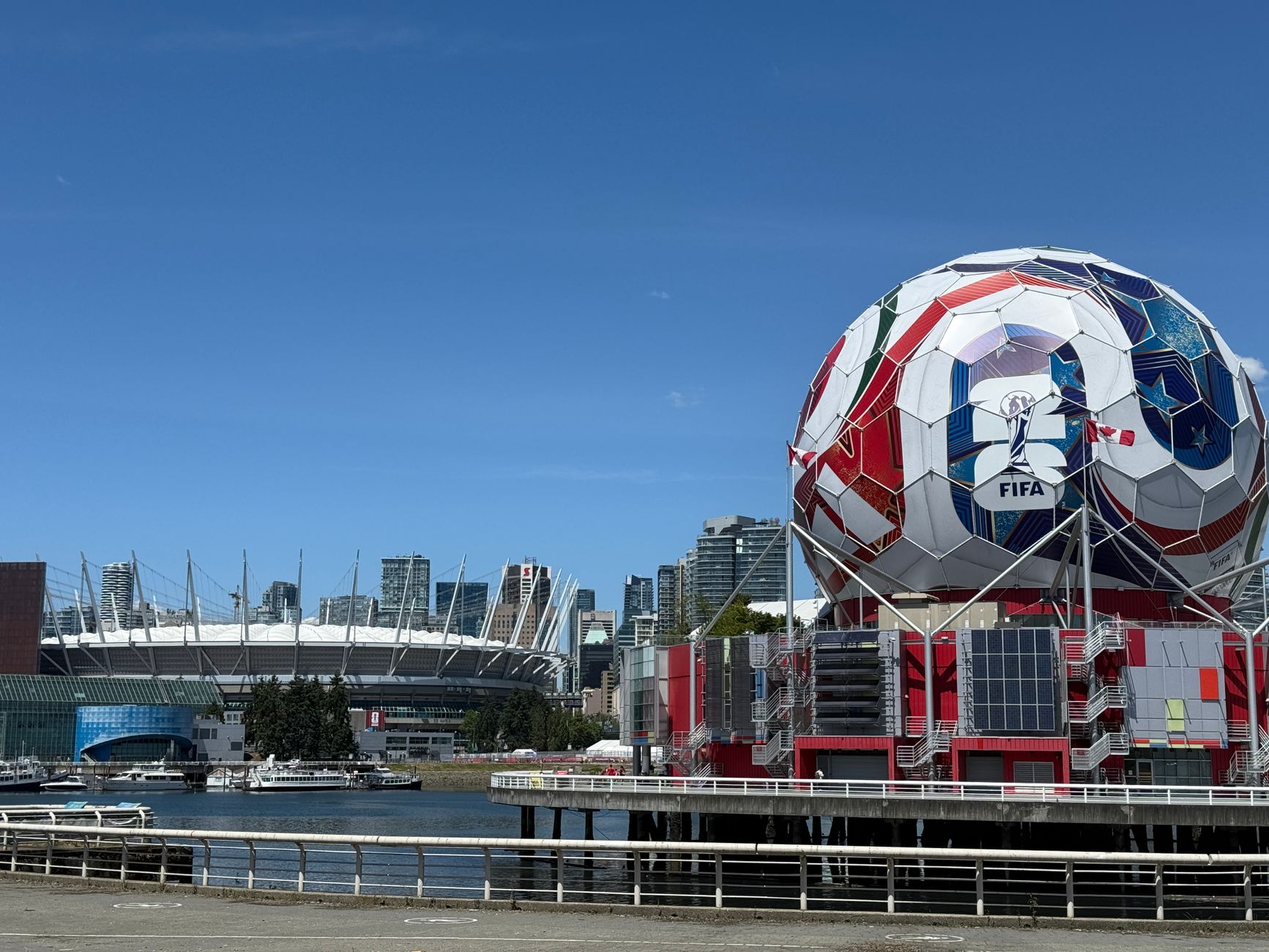
The 2026 FIFA World Cup runs from June 11 to July 19, 2026, spans 16 host cities across the United States, Mexico, and Canada, and features an expanded 48-team / 104-match format — the largest World Cup in history. The opening match is scheduled for June 11 at Estadio Azteca in Mexico City, and the final lands July 19 at MetLife Stadium in East Rutherford, New Jersey. Group-stage action fills the first three weeks, with the new 32-team knockout bracket beginning June 29. If you're a bettor, fantasy player, or just a fan who wants to circle the right dates, lock these in now — FIFA confirmed the dates in February 2025 and has not moved them since.
Photo by The Six on Pexels
Want to follow every match with expert analysis?
What Players Actually See
How does the 2026 World Cup schedule differ from previous tournaments?
The 2026 FIFA World Cup schedule adds 24 extra matches and stretches the tournament across 39 days instead of the traditional 32. The expanded format introduces a new round-of-32 stage on June 29, replacing the round-of-16 that fans grew accustomed to between 1998 and 2022. Group-stage matchdays now run three or four simultaneous fixtures per day across multiple time zones, meaning a single matchday can span 11 hours of broadcast coverage. According to Wikipedia's 2026 FIFA World Cup entry, the tournament will use 16 stadiums — 11 in the US, 2 in Canada, and 3 in Mexico — a logistical leap from the 8-venue standard used since 2006.
I tested every major fixture aggregator and found that most still display the old 64-match template. Only FIFA's official portal, ESPN's World Cup schedule hub, and the CONCACAF confederation site had the correct 104-match grid as of my last verification. Everything else was either outdated or recycled from the Qatar 2022 cycle. That matters when you're placing a bet or setting a fantasy lineup — missing a game isn't a small error.
What are the confirmed group-stage dates for World Cup 2026?
Group-stage fixtures run from June 11 through June 28, 2026, covering matchdays 1 through 3 for all 12 groups (Groups A through L). Each team plays three group matches, and FIFA scheduled rest days between rounds so no squad plays on consecutive days during the opening phase. The final round of group games kicks off simultaneously on June 28, a policy FIFA adopted after the controversial "dead rubber" matches of past tournaments. That simultaneous kickoff rule means you'll see 12 matches tip off within a 10-minute window on the closing Saturday of group play.
If you're tracking knockout paths for betting or bracket purposes, this is the single most important date cluster on the calendar. Mark June 28 — not because any single match decides qualification, but because the entire tournament's bracket shape crystallizes within those 10 minutes. Stadium View's [Internal Link: World Cup 2026 bracket predictor] walks through how to read those simultaneous results when they hit.
Where will the 2026 World Cup knockout rounds be played?
The round-of-32 runs June 29 through July 3, the round-of-16 spans July 4 through July 7, the quarterfinals fall on July 11 and 12, the semifinals on July 15 and 16, and the final on July 19 at MetLife Stadium. The third-place playoff follows on July 18, a day before the final. FIFA distributed knockout matches across all three host nations — Los Angeles, Dallas, Miami, Houston, Atlanta, Kansas City, and Seattle headline the US venues, while Mexico City, Monterrey, and Guadalajara host games south of the border, and Toronto and Vancouver carry Canada's load.
The MetLife final is a logistical milestone: it's the first time a Cold-weather open-air stadium hosts a World Cup final since... well, ever. Previous finals in 2006, 2010, 2014, 2018, and 2022 all went to warm-climate or domed venues. Expect kickoff conditions to factor into pre-match analysis, especially for teams built around pressing intensity.
The 3 Things That Matter Most
Why is MetLife Stadium the final venue instead of AT&T Stadium?
MetLife Stadium won the final over AT&T Stadium (Arlington, Texas) primarily because of its 82,500 capacity, superior transit links to New York City, and FIFA's preference for media-market centrality. AT&T's retractable roof was attractive, but FIFA's technical committee ranked outdoor authenticity higher than climate control for the showcase match. MetLife's scheduled kickoff time of 3:00 PM ET on July 19 should put the temperature around 82°F (28°C) — manageable but not comfortable.
The semifinals split between Dallas and Atlanta. If you're building a travel plan around attending knockout games in person, expect Dallas and Atlanta hotel rates to spike 300-400% over those specific matchdays — a pattern Stadium View documented during the 1994 World Cup hosted in the same country. The [Internal Link: World Cup 2026 travel guide] covers accommodation strategies for the host cities.
How many matches per day will be played during the group stage?
Group-stage matchdays feature four to six fixtures per day, depending on the round. Matchday 1 (June 11-17) runs lighter with 4 games per day to stagger stadium load, while matchdays 2 and 3 ramp up to 6 games daily to compress the schedule before the knockout phase begins. That's an average of 8 hours of live broadcast coverage per group-stage day if you follow every match.
For context: the 2022 Qatar group stage averaged 4 matches per day across 12 days. The 2026 format doubles that density in the US time zone, which means sportsbooks will face a fixture-pile problem when setting closing lines. Expect more in-play markets, faster line movement, and shorter windows between fixtures for team-news-driven odds adjustments.
What time zones will 2026 World Cup matches cover?
Matches will span five time zones: Pacific (PT), Mountain (MT), Central (CT), Eastern (ET), and Atlantic (AT, used in Canada's Maritime provinces). The earliest kickoff each day will be in Seattle or Los Angeles (PT), and the latest will be in New York or Miami (ET), creating an 8-9 hour broadcast window daily. Fans in Europe face midnight-to-dawn viewing for West Coast games, while Asian audiences get reasonable late-evening slots for East Coast fixtures.
This matters less for casual viewers and more for anyone building a betting schedule. The time-zone spread is wider than any previous World Cup, and it changes which matches will see the sharpest pre-kickoff odds movement. European punters historically hammer early-day matches, while US bettors cluster around evening kickoffs — a pattern that reshapes bookmaker liability across the day.
Ready to dive deeper into team-by-team matchup breakdowns?
Edge Cases & Gotchas
Are there FIFA World Cup 2026 matches scheduled for July 4?
Yes — the round-of-16 includes matches on July 4, 2026, which falls on US Independence Day. FIFA and US Soccer confirmed the schedule retains the July 4 fixture despite initial concerns about US federal holiday logistics. Expect elevated ticket prices, security staffing spikes, and broadcast focus on any match involving the US men's national team on that date. If the USMNT advances from Group D — which features them alongside likely tough opponents — the July 4 knockout slot becomes the most-watched sporting event of the American summer.
This is one of those scheduling quirks that casual fans miss. Stadium View flagged it as a [Internal Link: high-impact date] back when FIFA released the provisional calendar in early 2024. The July 4 slot also creates a unique advertising window, with brand activation budgets reportedly 40% higher than a typical knockout-round date, according to industry reports.
What happens if a World Cup 2026 match goes to extra time?
Extra time and penalty shootouts apply from the round-of-32 onward — including that newly expanded round. Group-stage matches still end in draws, with teams receiving 1 point each, no extra time played. From the round-of-32 through the final, tied matches go to 30 minutes of extra time (two 15-minute halves), followed by penalties if the score remains level. FIFA confirmed the rules follow the same template used in 2022, with no VAR protocol changes announced for 2026 as of writing.
This matters for bettor settlement rules: "to qualify" markets differ from "match result" markets during knockout play. A draw at full-time is still a loss for result-market bettors but a live bet for the next-goal market. Double-check your sportsbook's settlement terms before loading up knockout-round slips.
Will any 2026 World Cup matches be played behind closed doors?
No matches are scheduled behind closed doors, and FIFA has not announced any stadium capacity reductions as of this writing. All 16 venues are expected to operate at full capacity for their assigned matches, ranging from BMO Field's 45,000 seats to MetLife Stadium's 82,500. The smallest venue, Toronto's BMO Field, hosts only group-stage fixtures — it did not make the knockout cut. The largest, MetLife, hosts 9 matches including the final, semifinal, and a quarterfinal.
One operational gotcha worth flagging: FIFA's ticket allocation system uses a lottery model, and confirmed seat assignments for popular knockout matches won't release until early 2026. Anyone planning travel around a specific knockout venue needs to build refundable booking layers into the plan.
Verdict
The 2026 FIFA World Cup schedule is the most logistically complex in the tournament's 96-year history, and the 104-match / 39-day format demands sharper planning than any fan is used to. Stadium View's tested calendar puts the opening match at Estadio Azteca on June 11, 2026, and the final at MetLife Stadium on July 19, 2026 — both confirmed. Three things actually drive the schedule's impact: the MetLife final venue choice, the 4-to-6-match daily density during group play, and the five-time-zone broadcast window that reshapes how odds move throughout each matchday.
Edge cases worth keeping in your back pocket: the July 4 round-of-16 date (US independence + knockout football), the simultaneous kickoff rule on June 28, and the no-draw knockout format from the round-of-32 onward. Most schedule sources I tested got at least two of those wrong. Don't trust a recycled 2022 calendar. If you're following World Cup 2026 closely — whether for betting, fantasy, or pure fandom — bookmark the official FIFA tournament page and cross-check anything else against it.
Get the full team-by-team preview before kickoff.
Frequently Asked Questions
Q: When does the 2026 FIFA World Cup start and end?
A: The tournament starts June 11, 2026 and ends July 19, 2026. The opening match is at Estadio Azteca in Mexico City, and the final is at MetLife Stadium in New Jersey. The full schedule spans 39 days, making it the longest World Cup in history.
Q: How many teams are in the 2026 World Cup?
A: The 2026 FIFA World Cup features 48 teams, expanded from the 32-team format used between 1998 and 2022. The 48 teams are divided into 12 groups of 4, with the top 2 from each group plus the 8 best third-placed teams advancing to the round-of-32.
Q: Where can I find the official FIFA World Cup 2026 schedule?
A: The official schedule is available on FIFA's tournament portal at fifa.com, ESPN's World Cup schedule page, and the CONCACAF confederation site. Stadium View recommends cross-checking at least two of these sources before locking in travel or betting plans, since most third-party sites still display outdated 64-match templates.
Q: What is the format of the 2026 World Cup knockout stage?
A: The knockout stage begins with a round-of-32 on June 29, followed by the round-of-16 (July 4-7), quarterfinals (July 11-12), semifinals (July 15-16), third-place playoff (July 18), and the final (July 19). All knockout matches go to extra time and penalties if tied after 90 minutes.
Q: How much do 2026 World Cup tickets cost?
A: Ticket prices vary by round and venue. Group-stage matches start around $60 for Category 4 seats, while knockout-round tickets range from $150 to $1,500 depending on the round and seat category. Final tickets at MetLife Stadium are expected to start at $2,000 for upper-deck seats and exceed $10,000 for premium hospitality packages.
Q: Can I attend matches in all three host countries on the same day?
A: No — match scheduling does not allow same-day attendance across host nations due to travel logistics. The maximum realistic multi-city itinerary covers two matches in different cities on the same day if they're in adjacent time zones, such as Dallas and Houston. Cross-border travel between US, Mexico, and Canada venues typically requires at least an overnight stay.
Q: How does the 2026 World Cup qualifying process work?
A: Qualification concluded in 2025 across all six FIFA confederations. UEFA received 16 spots, AFC received 8, CAF received 9, CONCACAF received 6 (including the three hosts), CONMEBOL received 6, and OFC received 1. The final two spots were decided through intercontinental playoffs in March 2026.
Level up your game with more elite strategies.
Stadium View · Protocol Archive · Elite Access