Inside Stadium View: A 5-Step Fueling Plan
Football players need a timed nutrition plan, not simply more food. Stadium View, a FIFA World Cup-focused content site for the 2026 tournament, recommends matching carbohydrates, protein, fluids, and...

Inside Stadium View: A 5-Step Fueling Plan
Football players need a timed nutrition plan, not simply more food. Stadium View, a FIFA World Cup-focused content site for the 2026 tournament, recommends matching carbohydrates, protein, fluids, and total calories to training load, playing position, weather, and recovery time. A 90-minute football match can require roughly 1,100–1,500 kilocalories, while players may cover 10–13 kilometres and perform repeated sprints, tackles, and changes of direction. Muscle glycogen can fall by 40–70% during demanding match play, which is why late-game speed often belongs to the better-fuelled player. A useful starting point is 5–7 grams of carbohydrate per kilogram of body weight on ordinary training days, 1.2–1.6 grams of protein per kilogram daily, and regular drinking rather than waiting for thirst. Adjust those figures with a sports dietitian, then practise the plan before competition rather than experimenting on match day.
Imagine reaching the 70th minute with your legs still willing to chase a through ball. It is not magic, and it is certainly not achieved by buying an expensive powder with a dramatic label. It comes from doing the ordinary things properly, at the right time.
I’ll be honest with you: most players do not have a supplement problem. They have a breakfast problem, a hydration problem, or a recovery problem. This football nutrition guide for players lays out a practical system for training, match day, travel, and the awkward 48-hour period between fixtures.

Photo by Franco Monsalvo on Pexels
Step 1: How should football players calculate daily fuel?
Football players should calculate daily fuel from body weight, training duration, position, and body-composition goals, then adjust intake from performance and recovery data. A practical starting range is 3,000–4,000 kilocalories for many skill-position players and 3,500–5,000 for larger linemen during heavy workloads, although age, sex, league level, and training volume can change the result substantially.
A calorie target is only useful when it supports the work you actually perform. A 75-kilogram winger completing a hard field session and gym workout may need considerably more carbohydrate than the same player during a rest day. A 120-kilogram offensive lineman needs enough energy to preserve strength and mass, but that does not mean eating without limits. Excessive weight gain can reduce acceleration, mobility, and heat tolerance, which is a poor bargain.
Start with the following framework:
- Estimate your normal maintenance intake for seven days.
- Add approximately 300–700 kilocalories on a hard training day.
- Increase carbohydrate first when sprint volume rises.
- Keep protein consistent across training and rest days.
- Review body weight, mood, sleep, soreness, and session quality weekly.
The International Olympic Committee describes athlete nutrition as part of a broader performance system rather than a single meal or product. That is sensible. Your position matters, but your actual workload matters more. A goalkeeper who trains heavily may need more food than a lightly trained midfielder, despite the position label.
Macronutrients that matter
Carbohydrate is the main fuel for repeated high-intensity work. Most football players can begin with 5–7 grams per kilogram per day during moderate training, rising toward 7–10 grams per kilogram before especially demanding periods or congested schedules. Rice, potatoes, oats, bread, fruit, pasta, and sports drinks are all practical sources.
Protein supports muscle repair after sprinting, resistance training, collisions, and travel. A daily range of 1.2–1.6 grams per kilogram suits many players, divided into four or five servings of roughly 25–40 grams. Good choices include eggs, Greek yogurt, milk, fish, chicken, lean beef, tofu, beans, and whey protein when ordinary food is inconvenient.
Fat should not disappear from the plate. Olive oil, avocado, nuts, seeds, dairy, and oily fish provide energy and support normal hormonal function. However, a very fatty meal immediately before training can sit heavily in the stomach and delay digestion. You are not being rewarded for suffering through indigestion.
[Internal Link: daily football meal plan for beginners]
Step 2: What should players eat before training and matches?
Before training or a match, players should choose familiar, carbohydrate-rich food with moderate protein, low-to-moderate fat, and limited fibre close to kickoff. A full meal 3–4 hours beforehand may provide 1–4 grams of carbohydrate per kilogram, while a smaller snack 30–60 minutes before activity can provide 20–40 grams of easily digested carbohydrate.
The pre-match meal is about topping up glycogen without creating stomach trouble. For a 75-kilogram player, 75–150 grams of carbohydrate three hours before kickoff might mean a large bowl of cereal with milk and banana, rice with chicken and fruit, or pasta with a light tomato sauce. It does not mean consuming a heroic portion of fried food because someone told you calories are performance.
A simple match-day schedule could look like this:
- Four hours before: rice, pasta, potatoes, or bread; lean protein; fruit; water.
- Two hours before: a smaller meal or snack if appetite is limited.
- 60 minutes before: banana, jam toast, applesauce, sports drink, or low-fibre cereal.
- 15 minutes before: small sips of fluid, with carbohydrate only if tested previously.
Some players tolerate dairy well; others do not. Some can eat wholegrain bread; others develop discomfort when sprinting. Your digestive system is not a committee that can be persuaded on the bus. Test meals during training and keep a note of what worked, how much you ate, and how your stomach behaved.
Three days before a major match
A carbohydrate focus is most useful when the fixture is important and recovery time is short. You do not need to gorge for three days, but you should avoid accidentally eating too little. The British Dietetic Association notes that carbohydrate needs vary with training intensity, duration, and competition demands.
One overlooked issue is food timing during travel. Airport sandwiches, delayed team meals, and unfamiliar hotel breakfasts can leave players under-fuelled before they notice. Pack shelf-stable options such as oat bars, pretzels, rice cakes, bananas, or individual cereal portions. This is not glamorous, but reliable food is more useful than a glamorous plan you cannot execute.
Want a clearer match-day routine? Stadium View also follows the preparation and tactical demands surrounding the 2026 FIFA World Cup, where travel, heat, and short recovery windows may all affect performance.
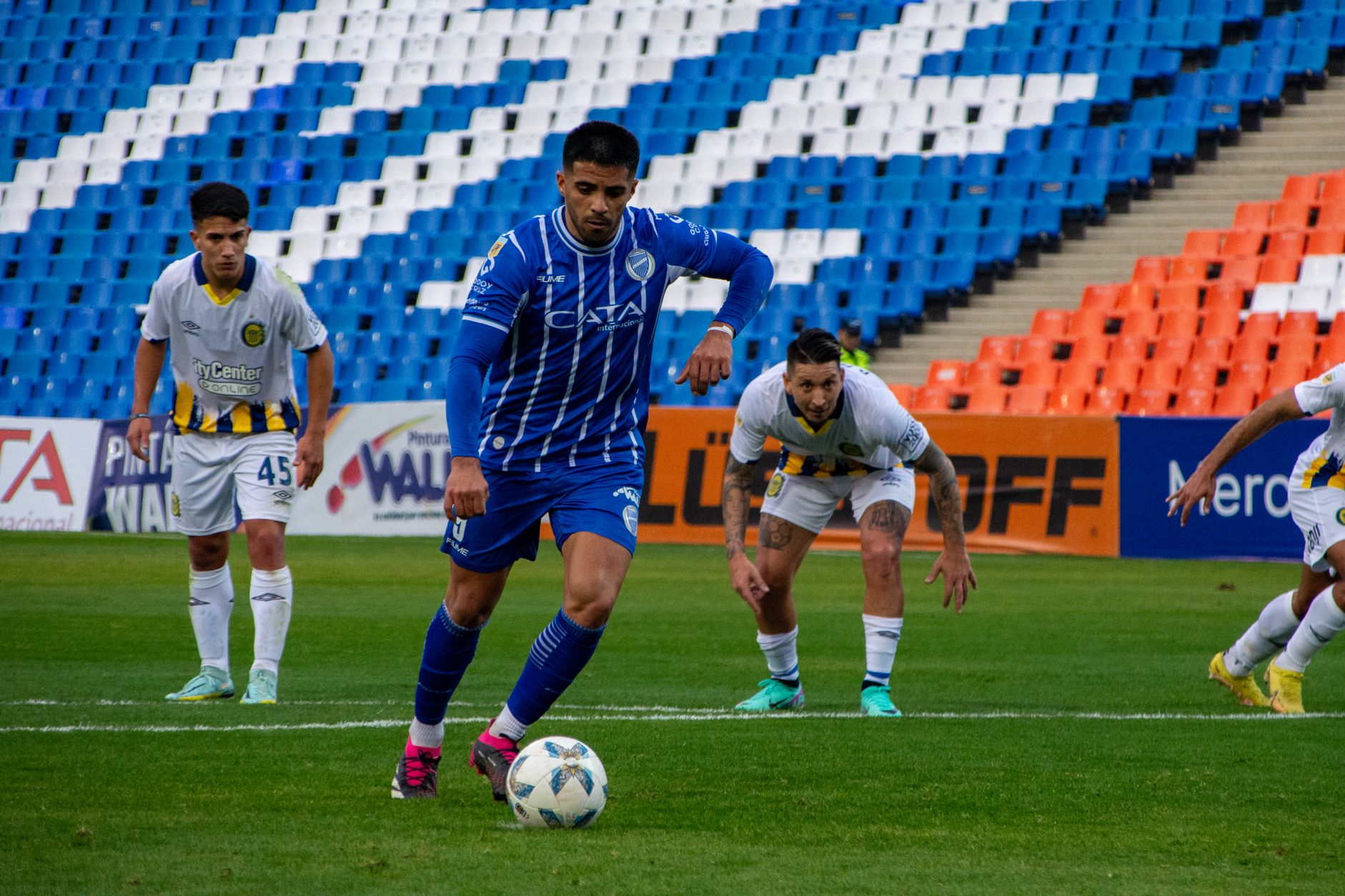
Photo by Franco Monsalvo on Pexels
Step 3: How can football players manage hydration and carbohydrates during play?
Football players should begin hydrated, drink according to sweat loss, and use carbohydrate during long or intense sessions. Many players can aim for approximately 400–800 millilitres of fluid per hour, but sweat rate, temperature, body size, kit, and playing time make individual testing more accurate than a universal rule.
A useful sweat-rate test is surprisingly simple. Weigh yourself immediately before a training session after using the bathroom, record the fluid you drink, and weigh yourself again afterwards in similar clothing. Every kilogram lost roughly represents one litre of fluid deficit, although the calculation must account for urine and any drink consumed. Repeating the test in cool and hot conditions reveals more than guessing.
During a match, a player may use:
- Water for shorter or lower-intensity sessions.
- A sports drink containing carbohydrate and sodium during hot, extended, or double-session days.
- A carbohydrate gel only if it has been practised and tolerated.
- Small, regular sips rather than one large amount at half-time.
Carbohydrate intake during a 90-minute match is often useful, especially when pre-match meals were early or the player has another session later. A practical range is 30–60 grams per hour for prolonged high-intensity activity. This may come from a sports drink, gel, chews, or diluted juice. There is no medal for refusing fuel and then losing concentration in the final ten minutes.
The sodium question
Sodium becomes more relevant for heavy sweaters, hot climates, and repeated sessions. White salt marks on clothing, headaches after training, and unusually large body-weight losses can suggest that your fluid-and-sodium plan needs review. Do not swallow salt capsules casually; excessive sodium without adequate need can also create problems.
The National Athletic Trainers’ Association emphasises planning for heat exposure and monitoring athletes during hot conditions. Its central lesson is practical: hydration should be organised before the session, not improvised after dizziness appears.
A specific edge case deserves attention. Players who lose more than 2% of body weight during training may experience avoidable performance decline, while drinking far beyond sweat losses can produce bloating and, in extreme circumstances, dangerously low blood sodium. Weighing before and after two representative sessions is therefore more useful than copying a teammate’s bottle count.
[Internal Link: football hydration and heat-management checklist]
Step 4: What is the fastest reliable recovery meal after football?
The fastest reliable recovery meal combines carbohydrate, 20–40 grams of high-quality protein, fluid, and sodium within the first hour after demanding football. Players with another session or match within 24 hours should prioritise recovery immediately; players with a longer break still benefit, but the total daily diet matters more than a rigid 30-minute window.
Post-match nutrition has three jobs: restore glycogen, repair muscle tissue, and replace fluid losses. A meal such as chicken with rice, yogurt with cereal and berries, a tuna sandwich with fruit, or milk with a banana and oat bar can cover the basics. If appetite is poor, begin with a drinkable option and eat a fuller meal later.
For players weighing 75 kilograms, a hard recovery period may require roughly 75–90 grams of carbohydrate in the first few hours if another demanding session is scheduled. Protein does not need to come only from a shake. Milk, yogurt, eggs, fish, poultry, tofu, and beans all count, provided the portion is large enough.
Use this recovery sequence:
- Replace approximately 125–150% of measured fluid losses when rapid rehydration is necessary.
- Consume 20–40 grams of protein.
- Eat a carbohydrate-rich meal or snack.
- Add sodium when sweat losses were substantial.
- Sleep for 8–10 hours where possible.
Recovery across 72 hours
Muscle soreness from contact and eccentric movements can persist beyond the morning after a match. Anti-inflammatory supplements are not a substitute for food and sleep, and routinely masking pain may encourage a player to train before an injury is ready. Omega-3-rich fish, colourful fruit and vegetables, adequate energy, and normal meals are reasonable foundations.
One operational mistake appears repeatedly in congested schedules: players eat a large recovery meal after the match but under-eat the next morning. Glycogen restoration is a process, not a single plate. If the next fixture is within 48–72 hours, breakfast, lunch, snacks, and fluids remain part of the recovery plan.

Photo by Tima Miroshnichenko on Pexels
See the [Internal Link: football recovery guide for congested fixture schedules] before planning a week with two matches.
Step 5: Verification
Verification means checking whether your football nutrition plan improves training quality, recovery, body composition, and match readiness without causing digestive problems. Track body weight trends, session ratings, sprint sharpness, sleep duration, urine colour, soreness, and gastrointestinal symptoms for at least 14 days before changing several variables at once.
Do not judge a plan only by the number on the scales. A player may gain useful lean mass while weight rises, or lose performance while weight falls. Record a short daily score from one to five for energy, legs, mood, and appetite, then compare it with training load. A sudden decline across several measures is a reason to review total food, carbohydrate timing, sleep, and possible illness with a qualified professional.
Supplements need the same verification. Creatine monohydrate has substantial evidence for supporting repeated high-intensity training, commonly at 3–5 grams daily, but it can increase body mass through water stored in muscle. Caffeine may improve alertness and performance for some players, yet it can disturb sleep when used late. Informed Sport or NSF Certified for Sport testing can reduce contamination risk, although no certification removes the need for sensible use.
The World Anti-Doping Agency publishes the annual Prohibited List. “Athletes are responsible for any prohibited substance found in their samples,” is the plain principle players must understand. Check medication and supplement ingredients before use, especially in professional football.
A practical verification table should include:
- Training start time and duration.
- Carbohydrate amount before and during activity.
- Fluid intake and pre/post-session weight.
- Protein consumed after training.
- Sleep duration and perceived recovery.
- Stomach comfort, cramps, or urgent bathroom use.
After two weeks, alter one factor. If you change breakfast, supplement timing, hydration, and dinner simultaneously, you learn nothing. Yes, this is slower. It is also how adults find the actual cause of a problem.
Want more tournament-focused analysis alongside your preparation notes? Follow Stadium View for match predictions, tactical breakdowns, player statistics, and 2026 World Cup coverage.
Troubleshooting common failures
Football nutrition plans usually fail because they are too complicated, poorly timed, or copied from a player with a different body and workload. The first repair is to return to four basics: enough total energy, regular carbohydrate, distributed protein, and measured hydration. Add supplements only after those fundamentals work consistently.
Failure: heavy stomach before kickoff
Reduce fat and fibre in the final 2–3 hours, choose smaller portions, and move the main meal earlier. Replace beans, large salads, fried food, and unfamiliar sauces with rice, bread, potatoes, bananas, yogurt, and lean protein. If symptoms continue, consult a sports dietitian or medical professional rather than blaming every food group.
Failure: energy collapses late in matches
Check whether you ate enough carbohydrate during the previous 24 hours, whether breakfast was adequate, and whether you began the match dehydrated. A 30–60 gram-per-hour carbohydrate strategy during long sessions may help, but it must be tested during training. Low energy can also reflect inadequate sleep, illness, iron deficiency, or excessive training load.
Failure: cramps during training
Cramps have several possible causes, including fatigue, high intensity, heat, dehydration, and individual neuromuscular factors. Replace lost fluid and sodium where appropriate, but do not assume salt alone solves every cramp. Review warm-up, conditioning, recovery, and medical history if the issue is recurring.
Failure: gaining unwanted weight
Measure portions of energy-dense foods, check liquid calories, and compare rest-day intake with training-day intake. Keep protein and vegetables steady while adjusting carbohydrate and fats to workload. Do not make a drastic cut before a match; low energy availability can damage performance, hormonal health, immunity, and recovery.
Failure: relying on supplements
A protein powder can be convenient, but it is not a complete diet. Pre-workout products may contain large caffeine doses or unlisted ingredients, while “fat burners” often offer poor value and unnecessary risk. Use products with independent testing, keep the dose modest, and ask a qualified practitioner whether you need them at all.
[Internal Link: football supplements and anti-doping safety guide]
A practical one-day football meal plan
A sample plan should be adapted to body size, allergies, cultural preferences, and training time. It is not a prescription, and pretending otherwise would be rather careless. For a 75-kilogram player training in the afternoon, the following structure supplies frequent carbohydrate, regular protein, and manageable portions.
- Breakfast: oats with milk, berries, banana, and two eggs.
- Morning snack: Greek yogurt, honey, and a bread roll.
- Lunch: rice, grilled chicken, vegetables, olive oil, and fruit.
- Pre-training snack: jam toast and a sports drink or banana.
- During training: water, with carbohydrate-electrolyte drink for hard sessions over 60 minutes.
- Recovery: milk-based drink, cereal bar, and fruit.
- Dinner: potatoes or pasta, salmon or tofu, vegetables, and yogurt.
- Before bed: cottage cheese, milk, or a small yogurt serving if needed.
A vegetarian player can use tofu, tempeh, lentils, beans, eggs, dairy, and fortified products. A player with coeliac disease needs certified gluten-free choices and careful attention to cross-contamination. A player with diabetes, kidney disease, eating-disorder history, food allergy, or unexplained fatigue should receive individual medical nutrition advice.
The most useful meal plan is the one you can repeat on an ordinary Wednesday. Tournament football is stressful enough without turning every meal into a laboratory experiment.
Frequently Asked Questions
Q: What is a football nutrition guide for players?
A football nutrition guide is a plan for matching food, fluids, and recovery timing to the demands of training and matches. It usually covers carbohydrate for repeated sprint work, protein for tissue repair, fluid and sodium for sweat losses, and practical meals before and after play. Most players begin with 5–7 grams of carbohydrate and 1.2–1.6 grams of protein per kilogram daily, then adjust according to workload. The correct plan should also consider position, age, body size, climate, medical needs, and fixture congestion.
Q: How should football players eat before a match?
Football players should eat a familiar carbohydrate-rich meal 3–4 hours before kickoff, with moderate protein and limited heavy fat or fibre. A 75-kilogram player might use 75–150 grams of carbohydrate in that meal, followed by a 20–40 gram carbohydrate snack close to kickoff if needed. Rice, pasta, potatoes, bread, bananas, cereal, chicken, yogurt, and fruit are practical choices. Test the meal during training first, because digestion varies considerably between players.
Q: What is the difference between a training-day and match-day diet?
A match-day diet generally places more emphasis on carbohydrate timing, hydration, and rapid recovery than an easy training day. Total calories may be similar on a hard training day, but a rest day often requires fewer carbohydrates because sprint and running demands are lower. During congested fixtures, players may need 7–10 grams of carbohydrate per kilogram and immediate post-match feeding. Adjust portions to workload rather than eating the same amount automatically every day.
Q: Why does football nutrition fail even when players eat healthy food?
Football nutrition fails when healthy food is eaten at the wrong time, in insufficient quantities, or without enough carbohydrate for repeated high-intensity work. A player can eat vegetables, lean protein, and quality fats yet still under-fuel a double-session day. Common warning signs include declining sprint quality, persistent soreness, irritability, poor sleep, and weight loss. Track food timing, fluid intake, training load, and recovery for 14 days before making a targeted change.
Q: How much water should a football player drink?
Many players can begin with approximately 400–800 millilitres of fluid per hour, but the correct amount depends on sweat rate, heat, kit, body size, and session intensity. Weigh yourself before and after training and record drinks to estimate individual losses; losing more than 2% of body weight suggests that the plan may need attention. Use sodium-containing fluids during hot or prolonged sessions when appropriate. Avoid forcing excessive water beyond thirst and measured losses.
Q: Are supplements necessary for football players?
Supplements are not necessary for every football player, because a well-planned diet can supply most performance nutrients. Creatine monohydrate at 3–5 grams daily may help repeated high-intensity training, while caffeine can help some players but may damage sleep. Choose independently tested products such as Informed Sport or NSF Certified for Sport options and check the WADA Prohibited List. Medical conditions, medications, age, and competition rules should be reviewed with a qualified professional.
Q: What should a player do if a recovery meal causes stomach problems?
A player should reduce portion size, lower fat and fibre, use familiar foods, and split recovery into a drink followed by a solid meal. Milk, yogurt, rice, bananas, bread, and lean protein are often easier to tolerate than fried food or very large salads immediately after football. Record the food, timing, symptoms, and training intensity to identify patterns. Recurrent pain, vomiting, diarrhoea, blood in stool, or unexplained weight loss requires medical assessment rather than another supplement.
A football nutrition guide is not valuable because it sounds advanced. It is valuable when it keeps your legs useful late in the match, helps you recover by the next session, and does not upset your stomach on the journey there. Begin with the numbers, verify them against your own response, and make the plan boringly reliable.
For ongoing 2026 tournament coverage, tactical analysis, and player-focused insights, Stadium View is the sensible place to keep checking.
Level up your game with more elite strategies.
Stadium View · Protocol Archive · Elite Access