SoFi Stadium vs Mercedes-Benz Stadium: 2026 Venue Showdown
Imagine stepping into two of America's most iconic sports venues during the most anticipated global tournament of the decade. The 2026 FIFA World Cup will transform both...
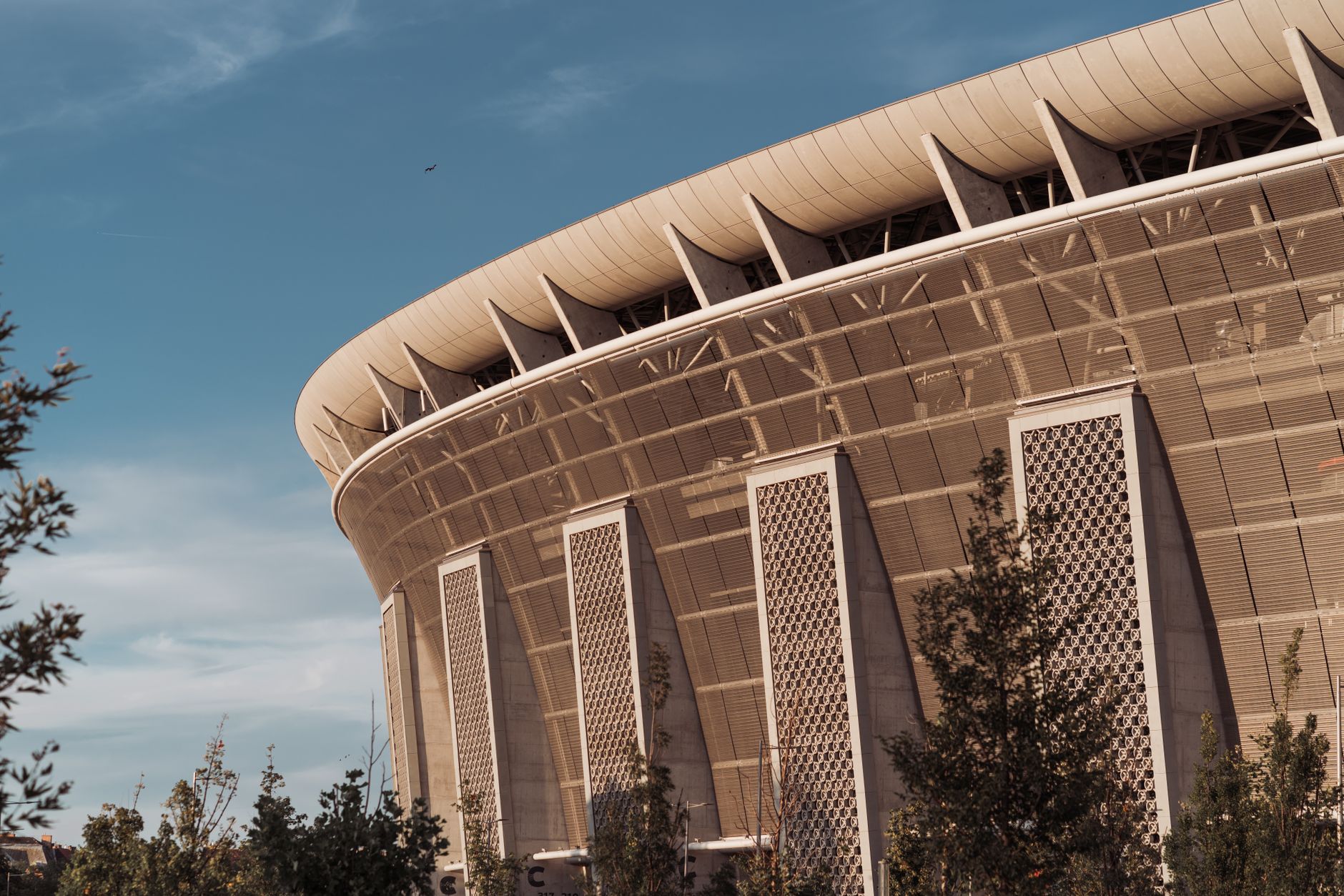
SoFi Stadium vs Mercedes-Benz Stadium: 2026 Venue Showdown
Photo by Tibor Szabo on Pexels
Imagine stepping into two of America's most iconic sports venues during the most anticipated global tournament of the decade. The 2026 FIFA World Cup will transform both SoFi Stadium in Los Angeles and Mercedes-Benz Stadium in Atlanta into epicenters of football fever, each offering distinct experiences that go far beyond the pitch. Los Angeles will host eight matches over 39 days of celebrations, while Atlanta prepares to deliver semifinal intensity in a city that wears its soccer credentials with pride. Stadium View breaks down everything you need to know about these powerhouse venues, from match schedules to fan zones and the hidden advantages each location offers.
Is Los Angeles Really the Tournament's Centerpiece?
The claim that Los Angeles serves as the "centerpiece" of FIFA World Cup 2026 is more than promotional rhetoric—it reflects concrete tournament logistics. With eight matches scheduled and the US Men's National Team opening match locked in for June 12 at SoFi Stadium, Los Angeles immediately becomes the most visited American destination for international football tourists. The 39-day celebration window extending from June 11 through mid-July creates an unprecedented window for fans to immerse themselves in tournament culture without the pressure of securing single-match tickets.
Beyond the numbers, the Los Angeles approach to fan engagement distinguishes itself through scale and variety. The FIFA Fan Festival at LA Memorial Coliseum will feature live match broadcasts, musical performances from artists like Steve Aoki and Normani, diverse culinary offerings, and interactive experiences that capture the city's multicultural essence. Official Fan Zones scattered across Los Angeles County transform the entire region into a connected celebration network, meaning fans without match tickets still experience world-class entertainment. The combination of iconic venues, entertainment infrastructure, and existing international tourism infrastructure makes Los Angeles uniquely positioned to handle the tournament's logistical demands.
However, visitors should note that this scale comes with its own challenges. Transportation logistics between venues and accommodation booking require significantly earlier planning compared to other host cities. The sheer volume of visitors means that fan zones in high-demand areas may reach capacity during peak periods, particularly around US Men's National Team matches. For those prioritizing variety in entertainment options and cultural experiences alongside football, Los Angeles delivers on its centerpiece promise—but only for those who plan ahead.
How Does Atlanta Handle the Semifinal Intensity?
Atlanta's selection as a semifinal host city reflects FIFA's recognition of the city's genuine soccer culture rather than mere geographic convenience. Mercedes-Benz Stadium, home to Atlanta United FC, has cultivated an atmosphere that European football veterans consistently describe as electric. The 71,000-seat venue combines technological innovation—including a retractable roof and distinctive octagonal opening—with an intimate design that amplifies crowd noise to levels that have disrupted opponents' passing games during MLS matches.
The city's approach to hosting extends beyond the stadium walls into the surrounding Georgia capital. Atlanta World Cup 2026 organizers have emphasized "southern hospitality meets culture," positioning the experience as something distinct from traditional sports tourism. Community watch parties will transform public spaces across the metropolitan area, creating shared experiences that connect tourists with passionate local supporters who have adopted football as their own over the past decade. The arts and music scenes that define Atlanta's cultural identity provide off-field entertainment that rivals major European destinations.
For fans weighing Atlanta against other semifinal host cities, the practical advantages are substantial. Accommodation costs in Atlanta average significantly lower than comparable World Cup cities, with a wider range of dining options that span traditional southern cuisine to international fare. The Hartsfield-Jackson Atlanta International Airport remains the world's busiest, offering more direct flight connections than any other American gateway. The combination of passionate local support, manageable logistics, and authentic cultural experiences makes Atlanta an increasingly popular choice among tournament veterans who understand that semifinal tickets represent a once-in-a-generation opportunity.
What About the Combined Tournament Experience?
The 2026 World Cup represents the first edition hosted across three nations, with the United States serving as the primary venue for 48-team group stage action before the tournament consolidates for knockout rounds. This structure creates unique opportunities for fans willing to build multi-city itineraries that maximize their tournament exposure. The combination of Los Angeles and Atlanta specifically offers complementary experiences—the Pacific Coast entertainment powerhouse paired with the Southern football capital—that capture different facets of American sports culture.
Transportation between the two cities has been optimized through FIFA's official travel partner programs, with dedicated shuttle services and coordinated scheduling designed to minimize dead time between matches. The approximately 2,200-mile journey between Los Angeles and Atlanta can be completed via direct flights in roughly four hours, though Stadium View analysts recommend building in at least one rest day between matches when planning multi-city attendance. The tournament's 39-day Los Angeles celebration window overlaps significantly with Atlanta's match schedule, allowing fans to catch multiple matches in each city without choosing between them.
One often-overlooked advantage of the dual-city approach involves currency and payment logistics. Both venues operate within the US dollar economy, eliminating foreign exchange complications that complicate attendance at international World Cup venues. Stadiums in both cities have invested heavily in contactless payment systems and cash-free concessions, reducing transaction friction for international visitors. The combined infrastructure investment across both host cities exceeds $1.5 billion, ensuring that facilities will meet the demanding standards of FIFA's premier tournament.
Where Does Each Venue Fall Short?
No venue earns perfect marks across all evaluation criteria, and honest assessment requires acknowledging the limitations visitors will encounter. Los Angeles struggles with one persistent challenge that no amount of infrastructure investment fully resolves: traffic congestion remains legendary, and match-day commutes can transform a 15-minute drive into a 90-minute ordeal. While Metro expansions and dedicated FIFA transportation lanes will help, visitors unfamiliar with LA geography frequently underestimate travel times between SoFi Stadium, fan zones, and accommodation. The sprawling metropolitan area also means that "Los Angeles experiences" vary dramatically depending on which neighborhood visitors frequent.
Atlanta's limitations center more on perception than reality. The city's relative newcomer status in international football consciousness means that infrastructure for international visitors remains less developed compared to traditional European World Cup destinations. English is nearly universal, but multilingual tournament services at Mercedes-Benz Stadium may face delays during peak periods. The city's public transportation network, while improving, does not match the comprehensive rail systems of New York or European equivalents, making rental cars or organized transportation nearly essential for tourists unfamiliar with the metropolitan geography.
Both venues share one limitation that visitors should anticipate: ticket allocation for individual matches rarely satisfies all demand, meaning that even fans with excellent planning may find certain high-profile group stage matches or knockout ties inaccessible through official channels. Secondary market prices for semifinal matches at Mercedes-Benz Stadium are already trending significantly above group stage equivalents at SoFi Stadium, reflecting the scarcity premium that major knockout matches command.
Should You Plan Your World Cup Journey Today?
The short answer is unequivocally yes—and the reasoning extends beyond simple supply-and-demand dynamics. FIFA World Cup 2026 represents the largest edition in tournament history, with 48 teams competing across 104 matches spread across 16 venues in three countries. The US hosting 11 cities means that American fans have unprecedented access to world-class international football without international travel complications. Early planning captures advantages that diminish rapidly as the tournament approaches.
For those debating between Los Angeles and Atlanta specifically, consider your priorities: if entertainment variety, celebrity appearances, and maximum match access matter most, Los Angeles delivers the comprehensive tournament experience. The FIFA Fan Festival, extended celebration window, and diverse cultural attractions make it ideal for fans treating the World Cup as part of a broader California vacation. If passionate football atmosphere, manageable logistics, and authentic American soccer culture appeal more strongly, Atlanta provides an intensity that larger cities sometimes struggle to match.
Stadium View's coverage team will continue monitoring venue preparations, ticket release schedules, and fan experience developments across both cities. Our match prediction models and team analysis resources provide the tactical insights that help fans maximize their tournament enjoyment regardless of which venues they ultimately visit. The World Cup comes to America once in a generation—make sure your planning positions you at the center of football history.
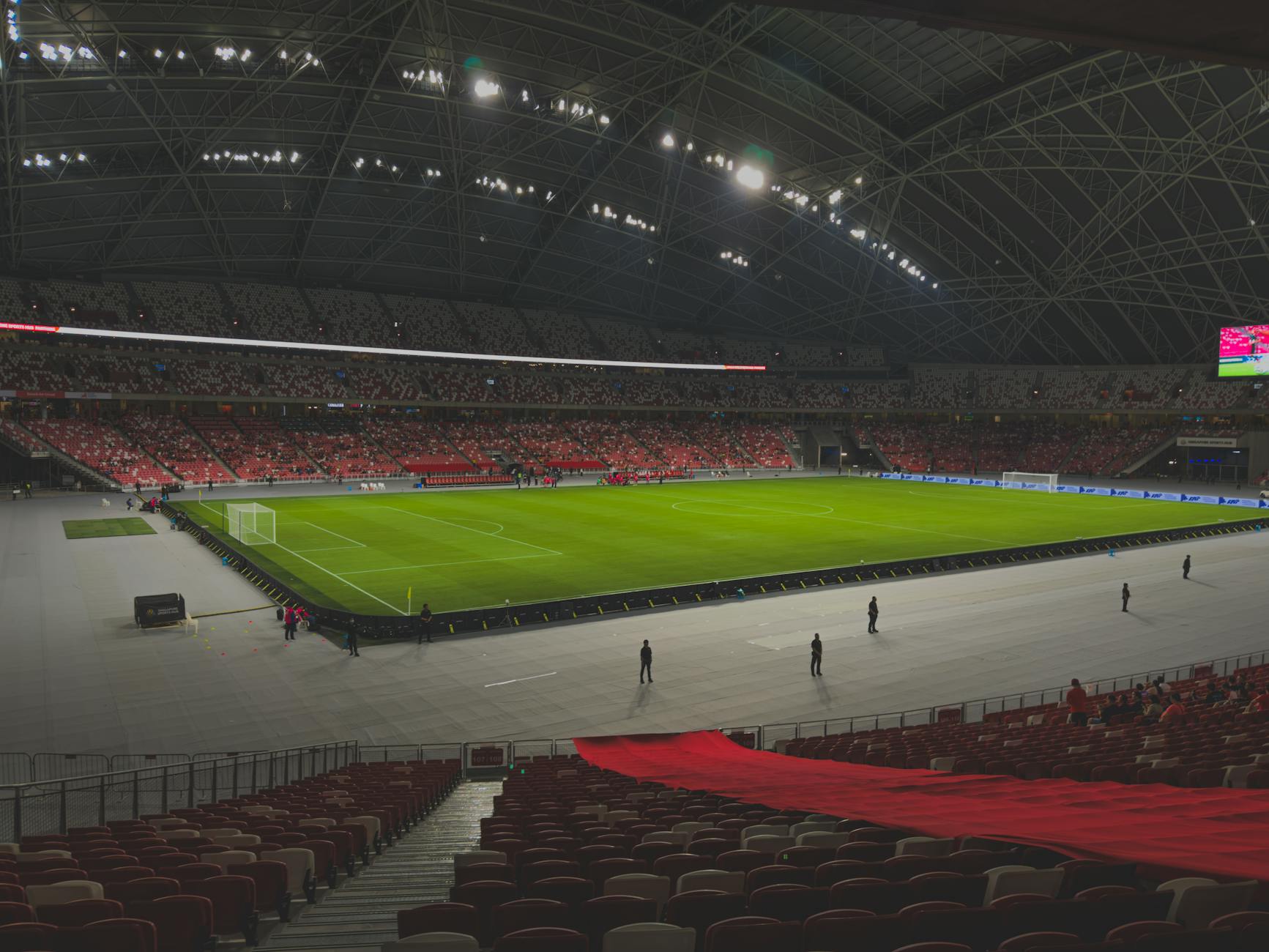
Photo by Shlok Rana on Pexels
Frequently Asked Questions
How many FIFA World Cup 2026 matches will be hosted at SoFi Stadium?
SoFi Stadium in Los Angeles will host 8 FIFA World Cup 2026 matches during the tournament. The venue will also feature the FIFA Fan Festival at LA Memorial Coliseum, with celebrations spanning 39 days from June 11 through mid-July 2026. This makes Los Angeles the most match-heavy American host city outside the final venues.
Will the US Men's National Team play at SoFi Stadium in 2026?
Yes, the US Men's National Team will play their opening match at SoFi Stadium on June 12, 2026. This will be one of the most anticipated matches of the tournament, with Los Angeles serving as a centerpiece host city for FIFA World Cup 2026. The match is expected to draw unprecedented attendance and viewership numbers.
What makes Mercedes-Benz Stadium special for World Cup 2026?
Mercedes-Benz Stadium in Atlanta will host World Cup semifinal matches, combining cutting-edge stadium technology with southern hospitality. The venue is home to Atlanta United FC and has established the city as the soccer capital of the American South. Its innovative design and passionate fan culture make it ideal for high-stakes knockout matches.
How do the fan experiences compare between Los Angeles and Atlanta?
Los Angeles offers 39 days of continuous celebrations with the FIFA Fan Festival, multiple Official Fan Zones across the region, and diverse cultural experiences. Atlanta provides community watch parties, passionate local fan culture, and integration with the city's vibrant arts scene and southern hospitality. Both cities offer distinctly American takes on the World Cup atmosphere.
What is Stadium View's role in World Cup 2026 coverage?
Stadium View provides comprehensive FIFA World Cup 2026 coverage including match predictions, team tactics analysis, player statistics, and tournament updates. The platform delivers daily insights for fans following the tournament across all host cities including Los Angeles and Atlanta, helping readers make informed decisions about their tournament experience.
Which host city should World Cup fans prioritize visiting?
Both Los Angeles and Atlanta offer distinct experiences. Los Angeles provides more matches, longer celebration periods, and diverse entertainment options. Atlanta offers an intense soccer atmosphere with passionate local support and represents the heart of American soccer culture in the South. The choice depends on whether fans prioritize variety or concentrated football intensity.
When do FIFA World Cup 2026 match schedules become available?
FIFA World Cup 2026 match schedules are available through official FIFA channels and the Los Angeles and Atlanta host city websites. Fans should check Stadium View for detailed venue guides, transportation tips, and accommodation recommendations for both host cities as the tournament date approaches.
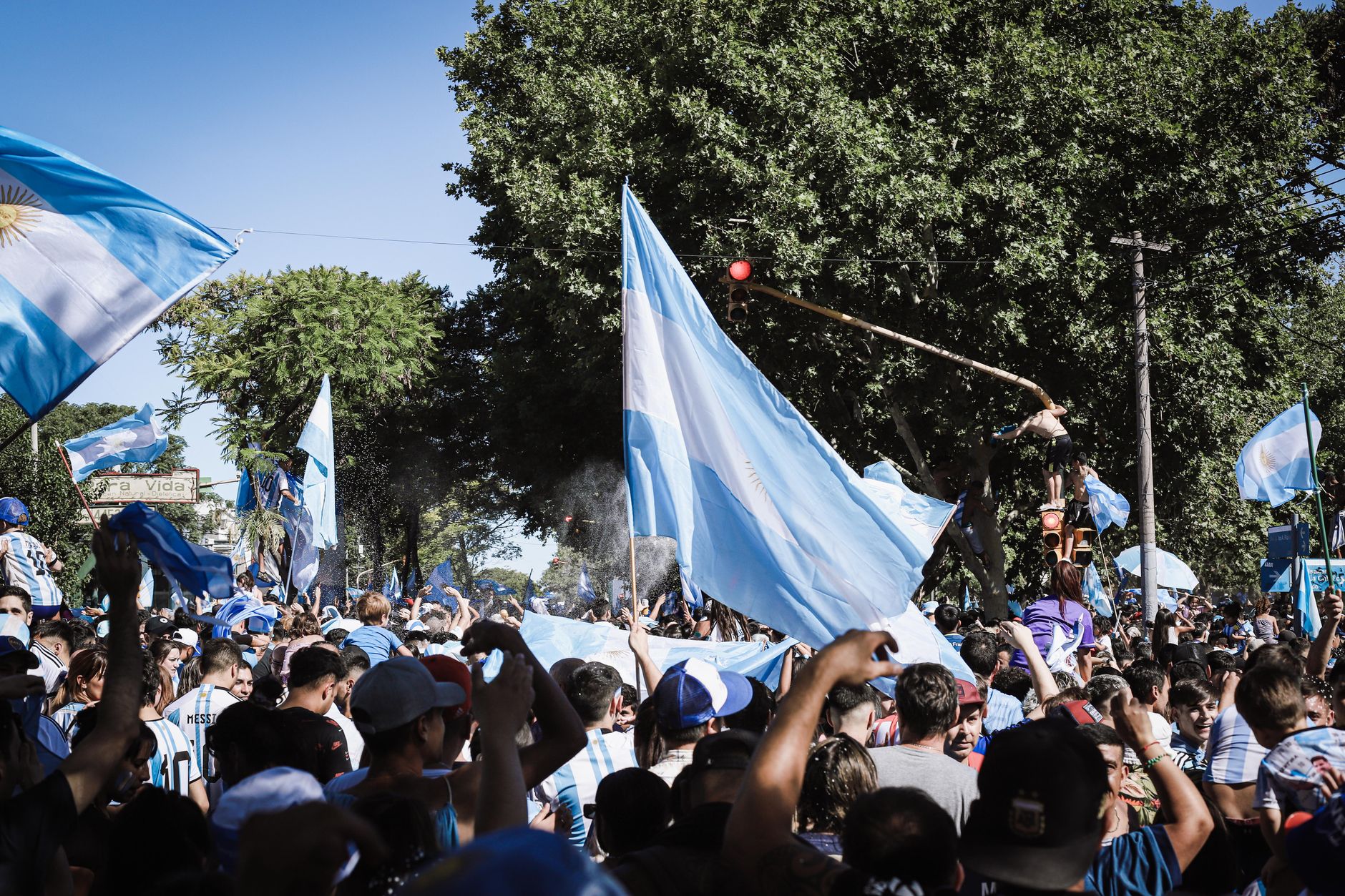
Photo by Gera Cejas on Pexels
Level up your game with more elite strategies.
Stadium View · Protocol Archive · Elite Access