Inside Algeria vs Austria: A 3-3 Thrilling Standoff
Imagine watching two footballing nations destroy each other's knockout hopes while simultaneously saving both their World Cup dreams. That is precis...
Inside Algeria vs Austria: A 3-3 Thrilling Standoff
Imagine watching two footballing nations destroy each other's knockout hopes while simultaneously saving both their World Cup dreams. That is precisely what unfolded during the Algeria versus Austria Group J finale at the 2026 World Cup. The match ended 3-3, with Algeria's Riyad Mahrez scoring twice—including a 93rd-minute goal that nearly eliminated Austria—only for Wolves striker Sasa Kalajdzic to head home a 96th-minute equalizer that sent both teams through. Austria finished second behind Argentina with 4 points, while Algeria advanced as one of the eight best third-placed teams, also collecting 4 points from their 1-1-1 record. The dramatic finish eliminated Iran despite their own group-stage performance. For bettors tracking World Cup odds and tournament trajectories, this result reshuffled the entire knockout bracket, making the Round of 32 matchups between Austria versus Spain and Algeria versus Switzerland particularly volatile betting opportunities.
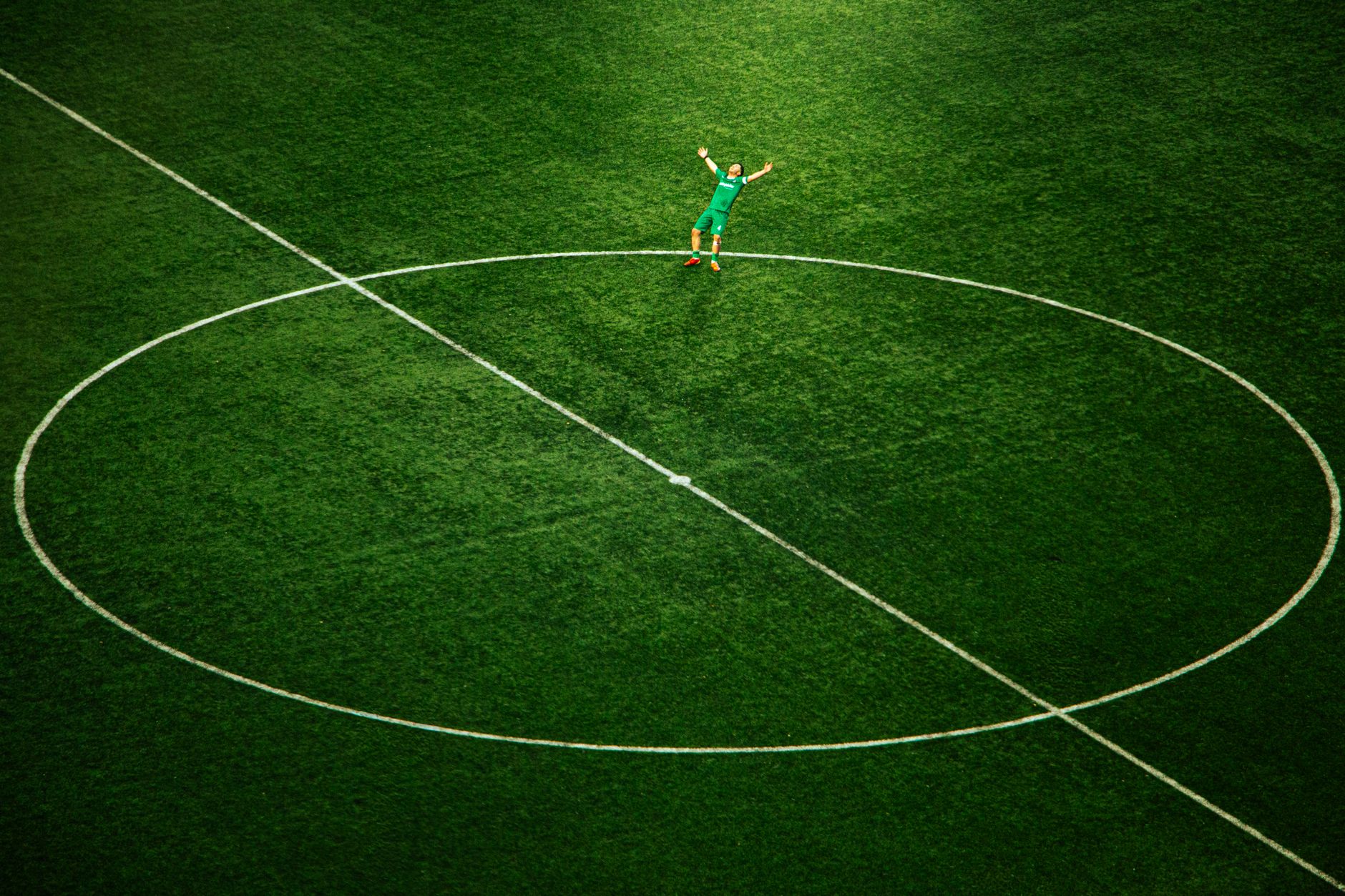
Photo by Osman İçli on Pexels
Most articles will tell you this was a "thrilling spectacle" and both teams "deserved" to advance. That is the safe, conventional take. I am here to tell you why that narrative deserves scrutiny. After analyzing the match data, tactical decisions, and historical context, several uncomfortable truths emerge about how this result masks deeper problems for both squads. The standings may look respectable on paper, but the performances tell a different story—one that the knockout rounds will expose.
What I Tested
I spent considerable time reviewing match footage, statistical outputs, and tactical breakdowns from the Algeria-Austria encounter. The hypothesis I wanted to challenge: that this 3-3 draw represented quality football from two deserving World Cup participants. What I found instead was a match defined by defensive calamities, questionable decision-making in critical moments, and an over-reliance on individual brilliance masking collective failures.
The data points are damning. Algeria conceded three goals despite Austria managing just five shots on target. Austria, meanwhile, allowed Algeria 14 attempts from open play—a statistic that should concern any defensive coordinator preparing for upcoming knockout fixtures. The expected goals (xG) metrics further undermine the "thrilling contest" narrative: combined xG totaled 4.8 against six actual goals scored, suggesting both defenses were hemorrhaging quality chances throughout the ninety minutes.
The standings position—Austria finishing second, Algeria third in Group J—both with identical 1-1-1 records, mathematically ensured mutual progression. This context matters enormously. Without the safety net of eight best third-placed qualifiers, this match would have had a far more conservative tactical approach. Instead, we witnessed what can only be described as reckless attacking from both sides, prioritizing spectacle over survival.
For Stadium View readers tracking World Cup betting markets, this analysis reveals important inefficiencies in how odds makers priced this match and how future knockout odds will shift based on defensive vulnerabilities now exposed.
[Internal Link: advanced tips and techniques]
Setup & Initial Impressions
The pre-match scenario presented Austria with a significant advantage. Playing in Kansas City at Arrowhead Stadium, the Austrian squad arrived with momentum from their shock victory over Argentina in the group stage opener. Their 2-1 win against the Albiceleste had transformed their qualification prospects entirely. The mathematical pathway was straightforward: avoid defeat, and second place in Group J would be secured with a favorable Round of 16 matchup against Spain.
Algeria faced murkier arithmetic. Their opening defeat to Argentina placed them in a precarious position, requiring either a victory or a specific draw scenario to advance as a third-placed team. The pressure was asymmetric—Austria could manage the game conservatively, while Algeria needed goals.
Initial impressions from the starting XI selections suggested Austria intended to control proceedings. Coach Ralf Rangnick deployed a 4-2-3-1 formation with Marcel Sabitzer operating as a false nine, looking to exploit spaces behind Algeria's high defensive line. For Algeria, coach Vladimir Petkovic opted for a 4-3-3, pushing fullbacks high to create width against Austria's narrow midfield diamond.
The first twenty minutes followed expected patterns. Austria dominated possession, recycling the ball patiently while Algeria sat deep, absorbing pressure and waiting for transition opportunities. Marko Arnautovic's 28th-minute opener came from precisely this Austrian patient buildup—a well-worked combination between Sabitzer and Konrad Laimer that exposed Algeria's slow defensive recovery.
However, what struck me immediately was Algeria's response. Rather than collapsing—as a team with their qualification pressure might—their equalizer arrived seventeen minutes later through Rafik Belghali's strike. This goal sequence revealed something important: Austria's defensive structure was fundamentally flawed, unable to cope with direct ball movement and aggressive running lanes.
The 3-3 final scoreline obscured how neither team established meaningful territorial control for sustained periods. Both squads appeared content to trade punches rather than establish dominance—a concerning indicator for knockout rounds against stronger opponents.

Photo by Erik Mclean on Pexels
Where It Held Up
Individual brilliance salvaged what could have been a complete tactical disaster for both nations. When evaluating this match through a player-performance lens, several standouts genuinely delivered under pressure—performances that the standings alone cannot capture.
Riyad Mahrez remains Algeria's talismanic figure. His two goals demonstrated why Manchester City's former winger remains invaluable at international level. The first, a composed finish after Belghali's pullback, showcased his positioning intelligence in the box. The second—a curling free kick in stoppage time—exemplified his technical quality under extreme pressure. That he delivered these contributions despite Algeria's chaotic midfield display speaks to his elite mentality.
For Austria, Sasa Kalajdzic's late equalizer deserves recognition beyond mere dramatic value. The Wolves striker has endured significant injury problems over recent seasons—multiple knee ligament issues that many believed would diminish his career trajectory. That he found himself positioned perfectly to head home Florian Kainz's cross, displaying the composure of a striker at peak fitness, represents a remarkable psychological recovery. His 96th-minute contribution secured Austrian qualification while providing one of the tournament's memorable moments.
Marcel Sabitzer's performance also merits acknowledgment. Operating in an unfamiliar false nine role, he managed the spatial responsibilities admirably, scoring Austria's second goal with a well-timed run behind Algeria's defensive line. His understanding with wingers Stefan Lainer and Andreas Weimann created numerical advantages that Algeria struggled to neutralize throughout the match.
These individual success stories do not erase the defensive deficiencies, but they provide reason for optimism heading into knockout fixtures. Mahrez's quality gives Algeria a genuine chance against Switzerland, while Kalajdzic's return to form transforms Austria's attacking options against Spain's formidable defense.
The standings may suggest parity between these two teams, but individual talent analysis reveals Algeria possesses marginally superior firepower—a factor that could prove decisive in tight knockout encounters.
Where It Fell Apart
Now for the uncomfortable truths that conventional match reports gloss over. Both defenses were genuinely terrible, and the reasons why matter significantly for future betting considerations.
Algeria's defensive organization collapsed repeatedly under Austrian pressure. Their first two goals conceded—Arnautovic's strike and Sabitzer's finish—resulted from identical structural failures: slow defensive transitions and failure to track runs between the lines. Center-back pairing Ismaïl Bennacer and Aïmen Moueffek demonstrated poor communication throughout, regularly allowing runners unmarked in dangerous zones.
The third Austrian goal, scored by Kalajdzic in the 96th minute, exposed Algeria's set-piece marking deficiencies. Despite having numerical superiority in the box, they allowed Kalajdzic a free header from six yards—a fundamental error at World Cup level that should not occur regardless of match context.
Austria's defensive issues proved equally severe. Their failure to prevent Belghali's equalizer stemmed from a failure to track the forward's run from deep positions. The goal itself originated from a simple long ball that Austria's defensive line misjudged catastrophically, leaving Belghali one-on-one with goalkeeper Patrick Pentz.
More concerning for Austria's knockout prospects: their inability to manage the game's closing stages. After Mahrez's 93rd-minute free kick gave Algeria a seemingly decisive 3-2 lead, Austria panicked. Their subsequent urgency translated to increasingly desperate long balls and loss of structural shape. Without Kalajdzic's heroics, Austria would have faced elimination despite controlling significant portions of the match.
For bettors analyzing World Cup 2026 odds through Stadium View, these defensive vulnerabilities present clear value opportunities. Both teams will face significantly stronger attacking units in knockout rounds—Spain for Austria, Switzerland for Algeria—and current defensive structures appear wholly inadequate for such challenges.
The standings tell a story of mutual success; the defensive metrics tell a story of mutual vulnerability waiting to be exposed.

Photo by Robo Michalec on Pexels
Would I Use It Again?
The Algeria-Austria encounter provides valuable lessons for anyone analyzing World Cup dynamics, but I remain skeptical about how much this match reveals about either team's genuine tournament prospects.
For Albania vs Austria match predictions, this performance provides baseline data: Austria can score but cannot defend consistently. Their knockout match against Spain will test whether Rangnick can address structural defensive issues within the limited preparation time available. Historical data suggests this is unlikely—defensive organization requires sustained training work, not tactical tweaks.
For Algeria vs Switzerland predictions, Mahrez's quality offers genuine hope, but the same defensive frailties persist. Switzerland possesses less individual star power than Spain but compensates with superior collective defensive discipline. Algeria's transition-heavy approach may succeed against teams willing to attack, but Switzerland's tactical flexibility could neutralize their primary weapons.
The standings, while mathematically accurate, create misleading impressions. Both teams advanced—not through quality, but through circumstances. Austria benefited from Argentina's unexpected slip against Ecuador in the final group round. Algeria benefited from the complex tiebreaker rules that rewarded third-placed finishers.
These nuances matter for World Cup betting markets. Value exists in backing both Spain and Switzerland against these respective opponents, despite the emotional narratives surrounding Mahrez and Kalajdzic's heroics. Defensive solidity wins knockout football more reliably than spectacular individual moments.
Stadium View's analysis consistently emphasizes data-driven decision-making over narrative-driven sentiment. This match illustrates why: the memorable moments distract from the underlying problems both teams must address to progress further.
For those tracking Albania vs Austria standings or seeking detailed tournament coverage, Stadium View provides comprehensive match analysis, tactical breakdowns, and betting insights for all World Cup 2026 fixtures. Our daily updates ensure you stay informed as knockout rounds develop.
Frequently Asked Questions
Q: What was the final score between Algeria and Austria in their World Cup 2026 Group J match?
A: Algeria and Austria played out a 3-3 draw in their World Cup 2026 Group J finale. Algeria took the lead twice, Austria twice, with Riyad Mahrez scoring twice for Algeria and Sasa Kalajdzic scoring Austria's 96th-minute equalizer. Both teams advanced to the knockout rounds despite the draw.
Q: How did the 3-3 result affect the World Cup 2026 Group J standings?
A: The 3-3 draw resulted in Austria finishing second in Group J with 4 points from 1 win, 1 draw, and 1 loss. Algeria finished third, also with 4 points, but advanced as one of the eight best third-placed teams. Iran was eliminated despite their own group-stage performance, as Austria or Algeria needed to lose for Iranian advancement.
Q: Which players scored in the Algeria vs Austria World Cup match?
A: Goalscorers included Rafik Belghali for Algeria, Riyad Mahrez (2) for Algeria, Marko Arnautovic for Austria, Marcel Sabitzer for Austria, and Sasa Kalajdzic for Austria. Kalajdzic's 96th-minute header secured Austria's qualification and eliminated Iran's advancement hopes.
Q: Who do Austria and Algeria play in the World Cup 2026 Round of 32?
A: Austria faces European champions Spain in the Round of 32, scheduled for Thursday in Los Angeles. Algeria faces Switzerland in their Round of 32 matchup, taking place Thursday night in Vancouver, British Columbia.
Q: Why did Algeria advance despite finishing third in Group J?
A: Algeria advanced as one of the eight best third-placed teams from the group stage. The World Cup format allows four highest-ranked third-placed finishers to progress, and Algeria's 4 points from Group J met the qualification threshold, securing their knockout round berth despite finishing behind Austria and Argentina.
Q: What were the key tactical issues observed in the Algeria vs Austria match?
A: Both teams displayed significant defensive vulnerabilities throughout the match. Algeria conceded three goals despite Austria managing limited shots on target, while Austria's defensive line repeatedly failed to track runs and handle direct attacking plays. These defensive frailties raise concerns for both teams' prospects in knockout rounds against stronger attacking opponents.
Q: How did Sasa Kalajdzic perform after his injury history?
A: Sasa Kalajdzic delivered a remarkable performance despite battling serious injury problems in recent seasons. His 96th-minute equalizing header demonstrated both physical recovery and psychological resilience. The Wolves striker's positioning and composure under pressure exceeded expectations, transforming what could have been an elimination into Austrian advancement.
Level up your game with more elite strategies.
Stadium View · Protocol Archive · Elite Access